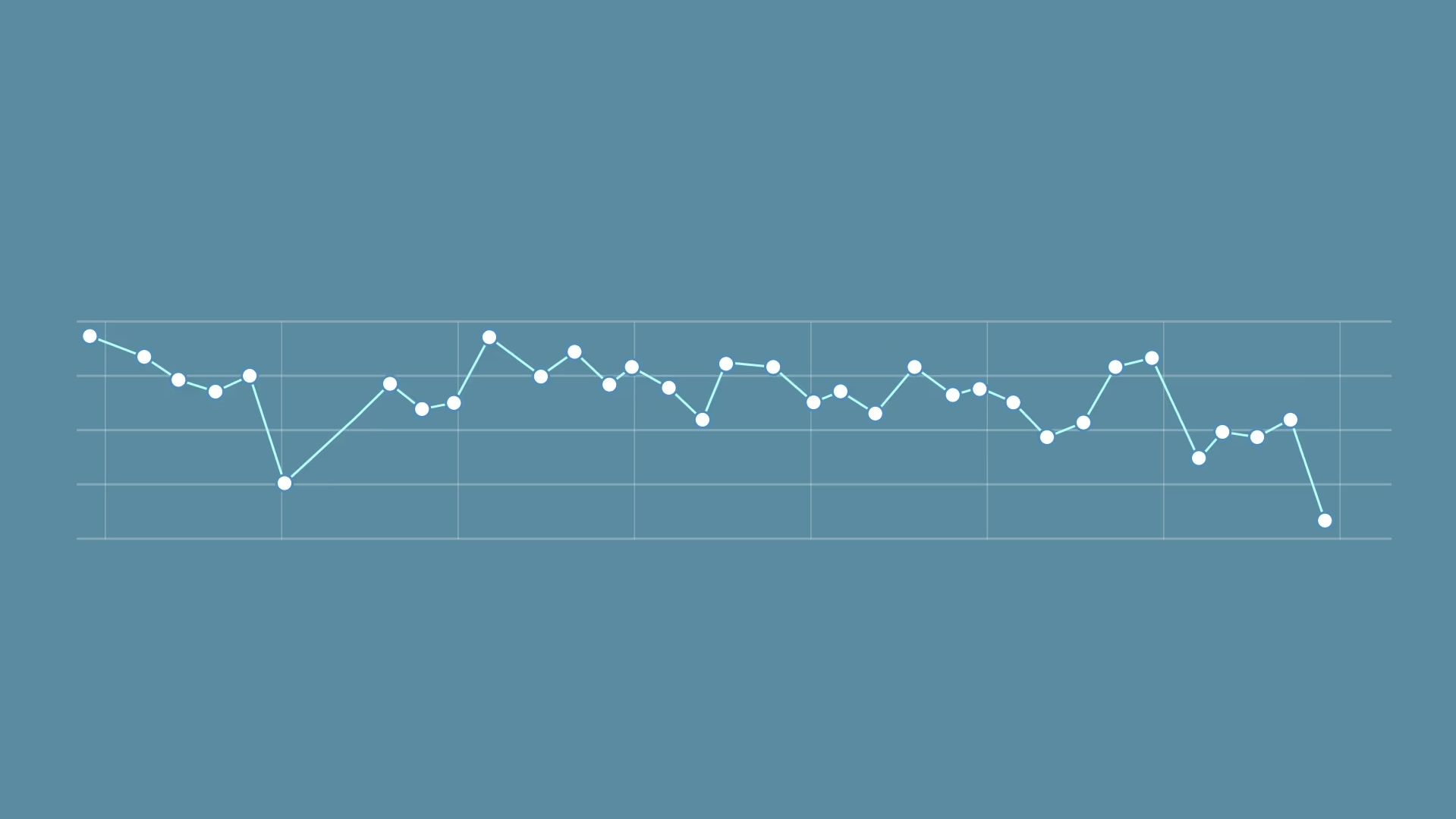
Between July 15 and August 18, 2024, carriers cancelled 58 voyages across the major Trans-Pacific, Trans-Atlantic, and Asia–North Europe/Mediterranean lanes — 8% of the 706 voyages originally planned. About half of the cancellations were on the eastbound Trans-Pacific, 31% on Asia–North Europe/Mediterranean, and 19% on the westbound Trans-Atlantic; the OCEAN, THE, and 2M alliances plus non-alliance carriers each contributed cancellations, though roughly 92% of sailings over the following five weeks were still expected to run as scheduled.
Reducing voyages and controlling capacity is the most direct lever carriers have for propping up rates, but sustaining high rates long-term requires cargo demand that wasn't materializing at the time — making a rate pullback likely, even if a full return to prior low rates was seen as unrealistic.
Adding to the pressure, the Port of Hamburg saw a 48-hour strike starting at 7 AM on the 9th, and Bremerhaven a 24-hour strike from 2 PM the same day — both major hubs for German maritime trade. Separately, the International Longshoremen's Association (representing US East Coast and Gulf Coast port workers) was in contract negotiations with strike risk rising; any action there would compound congestion and delays already building from the European strikes, and push more volume onto air freight and the China–Europe rail corridor as shippers sought alternatives.