← Back to Glossary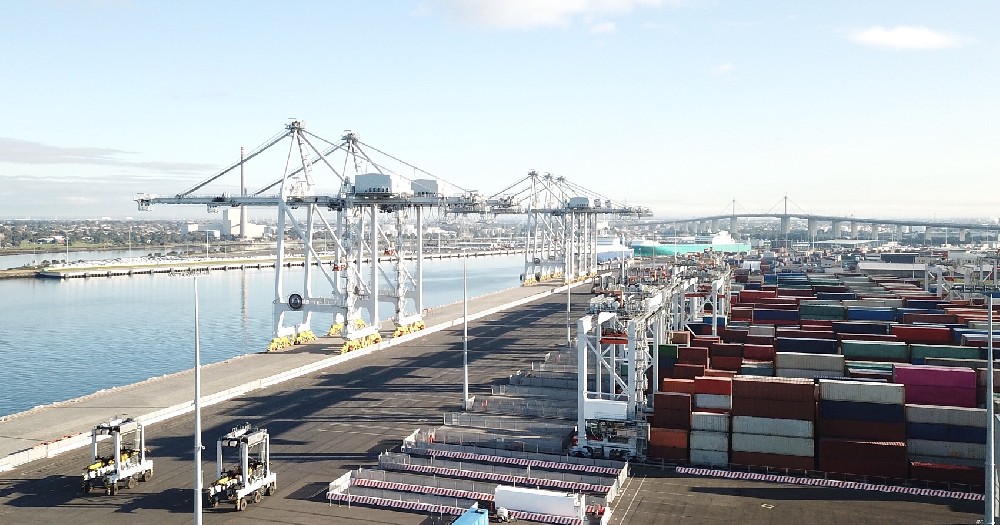
Port Congestion
Port Congestion refers to the situation in which a port experiences excessive traffic, leading to delays, inefficiencies, and disruptions in the normal flow of vessels, cargo, and related activities. This congestion can occur due to various reasons, including a high volume of incoming or outgoing shipments, limited port infrastructure, adverse weather conditions, labor strikes, or logistical challenges.When a port is congested, it may result in ships queuing up to enter or leave the harbor, delays in cargo handling, longer waiting times for vessels, and increased turnaround times. Port Congestion can have significant impacts on supply chains, affecting the timely movement of goods, increasing transportation costs, and causing logistical complications for shippers, carriers, and other stakeholders involved in international trade. Efforts to alleviate port congestion often involve improvements in infrastructure, optimization of port operations, and enhanced coordination among various parties in the shipping process.